
You’ve seen the line on vendor websites and in proposals: “backed by a full engineering panel.” It sounds reassuring. It also sounds like something a marketing team wrote in ten minutes.
Sometimes that’s exactly what it is. Sometimes it describes a real structure that changes how fast your problems get solved. The phrase itself tells you nothing, so this article breaks down what a genuine engineering panel looks like, what it does for your business, and how to check whether a provider actually has one.
A full engineering panel means the person who answers your ticket is not the only person who can solve it. Behind them sits a group of specialists in different areas: networks, servers, cloud, security, backups, and applications. When a problem goes beyond the front line, it moves to someone who handles that kind of problem every week.
Compare that with the other common setups:
- One in-house IT admin. Good at the basics, but expected to cover everything from printers to firewalls to cloud billing. Nobody can be an expert in all of it.
- A freelancer or a small vendor. Responsive when available, but when they’re travelling, sick, or busy with another client, you wait.
- A provider with a panel. Your request lands with a front-line engineer, and a named specialist is available behind them when it needs depth.
Think of a hospital. You see a general physician first, and if something is complicated, you’re referred to a specialist who already has your notes. You don’t expect your GP to perform the surgery. IT works the same way.
How a Panel Works in Practice
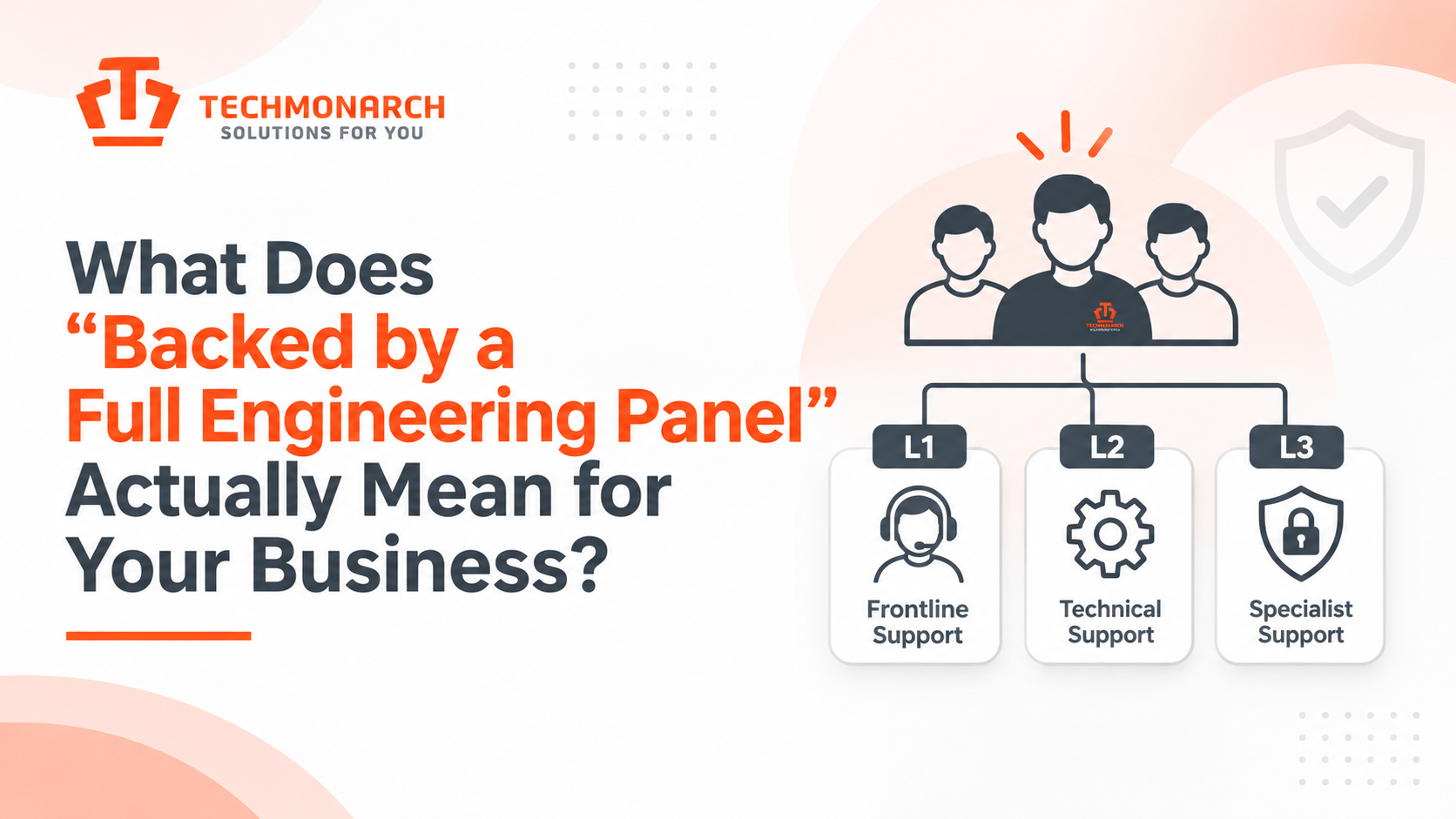
Most mature providers use some version of three support tiers.
Level 1 handles first contact: password resets, email problems, software installs, printer issues, and basic troubleshooting. Most tickets should close here, quickly.
Level 2 takes on the harder problems: network configuration, server faults, application errors, and anything needing deeper analysis.
Level 3 is where the specialists sit. They handle serious outages, security incidents, architecture decisions, and root cause analysis, meaning working out why something broke so it doesn’t happen again.
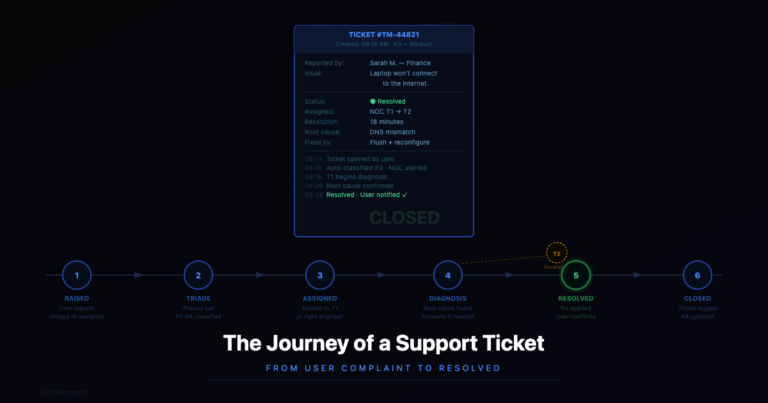
The tiers only matter if escalation is clean. A good handoff includes what’s already been tried, so the next engineer doesn’t start from zero and you don’t repeat your story three times. Poor handoffs, with lost context and re-explaining, are one of the most common complaints people have about outsourced IT support.
What It Means for Your Business
This isn’t just an org chart. It changes the outcomes you actually feel.
Faster resolution of complicated problems
When a switch fails or a server throws an error you’ve never seen, a generalist can lose hours searching forums. A specialist who has fixed the same issue across many environments often knows the cause in minutes. Those minutes are measured in lost work for your whole team.
No single point of failure
If your entire IT function is one person, their resignation, illness, or holiday is a business risk. With a panel, knowledge is spread across people and documented, so coverage doesn’t depend on any one individual.
Access to skills you couldn’t afford to hire
A mid-sized Ahmedabad company will rarely justify a full-time network architect, a security engineer, and a cloud specialist. A panel lets you use those skills when you need them, without carrying three salaries all year.
Better decisions, not just faster fixes
A panel isn’t only for emergencies. When you’re planning an office move, a cloud migration, or a firewall refresh, you get input from people who’ve done it repeatedly. That saves you from expensive mistakes made once and discovered later.
What It Doesn’t Mean
Let’s be honest about the limits. A panel is not magic.
It doesn’t mean every engineer on the vendor’s payroll is working on your account. It doesn’t guarantee a good experience if the process is sloppy. And it doesn’t replace someone on your side who understands your business priorities and can make decisions.
A large panel can even be a downside if it’s badly run. More people with no clear ownership just means more places for your ticket to get lost. The structure matters more than the headcount.
How to Tell If a Panel Is Real
Marketing language is cheap, so test it. These questions work well in a sales call:
- Who are the specialists, and what do they actually do? Ask for roles, not just a number. A genuine answer names areas like network, security, cloud, and server.
- What does “Level 3” mean here? For some providers, it means calling the product vendor’s support line. That’s not specialist depth.
- How does escalation work? Look for documented triggers and time limits, not “we’ll figure it out.”
- Will I get a named contact? You should know who owns your account, not just a ticket inbox.
- What are the response and resolution times in writing? Promises mean little without a service level agreement behind them.
- Can I talk to an engineer, not just a salesperson? A real panel is happy to put you in touch.
- What happens when my main contact leaves? Documentation and shared knowledge should answer this immediately.
If the answers are vague, the panel is probably a slide, not a team.

Why This Matters Locally
Response time is where the gap shows up most. Plenty of IT vendors in Ahmedabad take days to answer a basic request, which we explored in our post on why IT vendors take days to respond and what “managed” should actually mean. A real panel with defined tiers and clear ownership is a large part of the fix.
It’s also a big reason companies move away from informal arrangements. If you currently rely on one person on call, read why more businesses are switching from freelance IT support to managed partners. The pattern repeats: the freelancer is great until the day they’re unavailable.
When You Probably Don’t Need One
Not every company needs a full panel. If you have ten employees, a simple setup, and no compliance pressure, a reliable single provider may be enough. A panel earns its cost when your environment has multiple moving parts: several offices, servers, cloud workloads, security requirements, or a team large enough that downtime hurts.
A rough test: if one hour of IT downtime costs you more than a month of the support contract, you’re in panel territory.
What to Look for in a Managed Partner
Once you decide a panel makes sense, focus on a few essentials:
- Defined support tiers and written escalation steps
- A mix of skills across network, server, cloud, and security
- Clear service level agreements with reporting you can actually read
- Proper documentation of your environment, owned by you
- A named account owner who knows your business
This is the model behind good managed IT services: you get day-to-day support and a bench of specialists, under one contract, with one point of accountability.
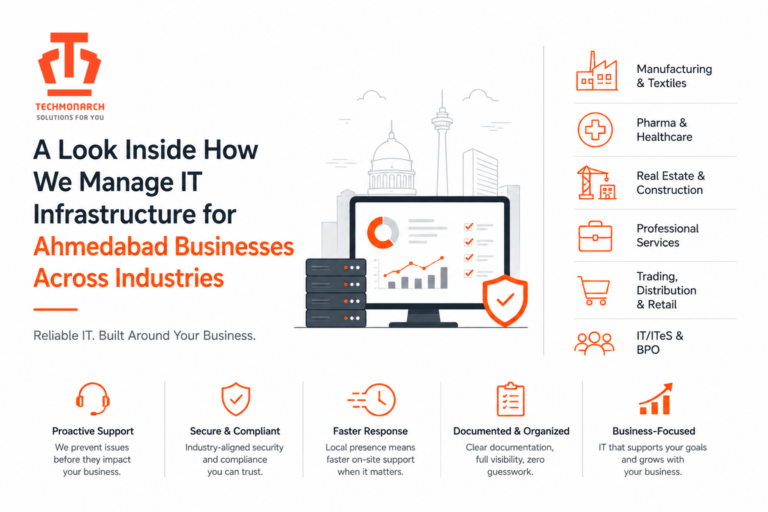
To see how this works across different business types, our look at how we manage IT infrastructure for Ahmedabad businesses across industries shows the day-to-day reality behind the terminology.
The Bottom Line
“Backed by a full engineering panel” is only worth something if you can see the structure behind it: defined tiers, real specialists, clean escalation, and a person who owns your account. Ask the questions above, expect specific answers, and treat vague ones as a warning.
If you’d like to see how this works before you commit to anything, TechMonarch is happy to walk you through how we handle escalation for companies across Ahmedabad and Gandhinagar, including the parts that are less polished than a brochure would suggest.