
-
Suresh Kalal
- January 12, 2026
- No categories assigned.
- No Comments
Addressing IT Procurement Delays That Slow Business Projects
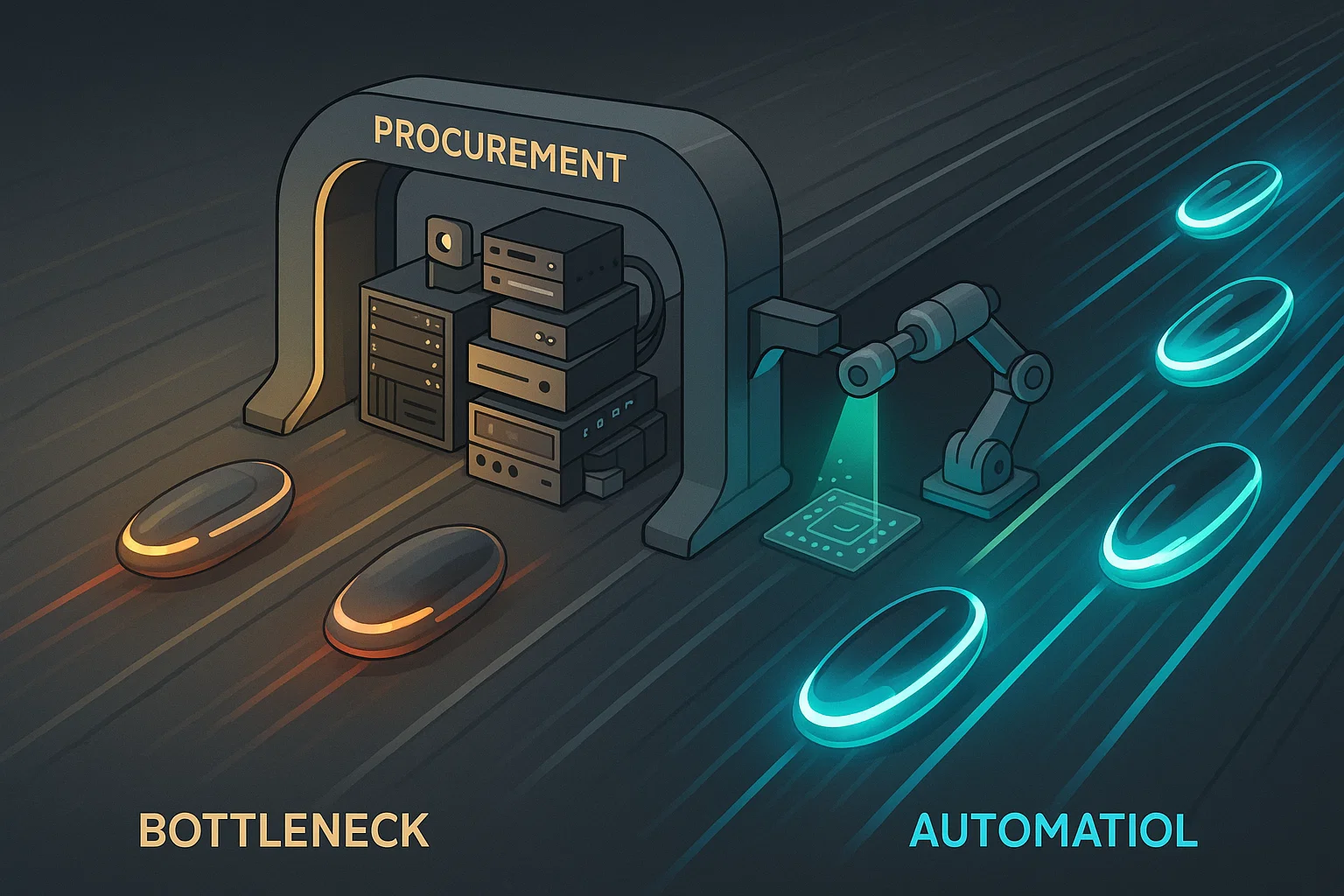
Crawling technology projects? The culprit may not be a technical bug, but tight contracting. Also, deferred procurement of software, hardware or licensees can affect delivery schedules, increase project costs and impact the team efficiencies. Today’s business need tools when they need them, and they rely on ad-hoc processes that can quickly slow down work.
This article explores why procurement is delayed and how your organization can take concrete steps to enhance IT purchasing efficiency – all while not letting go the reins of governance or financial controls.
Why Procurement Delays Happen
Most delays come from structural issues hidden inside the process—not from the people involved. A few root causes stand out:
1. Unclear Requirements at the Start
If teams don’t define exact specifications early, procurement ends up going back and forth between departments, vendors, and finance. This leads to repeated revisions, vendor confusion, and missed deadlines.
2. Slow Vendor Approval Process
Every time a new vendor is added, legal, finance, security, and compliance checks begin from scratch. While these checks are necessary, a lack of standardization can stretch approvals over weeks or months.
3. Too Many Manual Steps
Email-based approvals, scattered spreadsheets, and offline documentation force purchasing teams to rely on manual follow-ups. Manual systems always lag during busy project cycles.
4. Poor Visibility Into Procurement Status
Without a centralized view of pending requests, teams don’t know what’s stuck, who needs to approve next, or whether vendor documents are still incomplete.
5. Last-Minute Requests
Some projects only initiate procurement when work is already in progress, leaving almost no buffer for vendor negotiations or product lead times.

The Impact on Business Projects
Procurement bottlenecks don’t just delay deliveries—they create ripple effects:
- Project timelines stretch, forcing teams to push deadlines or rework plans.
- Costs rise due to price changes, urgent shipping, or last-minute vendor switching.
- Stakeholders lose confidence in the project’s ability to move fast.
- Technical teams remain idle while waiting for essential tools or approvals.
Improving IT procurement management directly translates into smoother execution and stronger enterprise project support.
Strategies to Reduce Procurement Delays
1. Create a Standard Procurement Intake Template
A well-structured intake form that includes technical requirements, expected usage, licensing needs, integration details, and compliance notes helps minimize revisions. When requests arrive complete, everything moves faster.
2. Build a Pre-Approved Vendor List
Instead of starting from zero each time, maintain a pool of vendors already vetted for financial, legal, and security readiness.
This significantly reduces the vendor approval process time and ensures projects start without delays.
3. Automate Approval Workflows
Digital workflows help teams track progress, assign responsibility, and remove dependency on manual follow-ups. Automated reminders reduce waiting time between department approvals and maintain a steady pace throughout the process.
4. Centralize All Documentation
A single repository for contracts, proposals, security certifications, and vendor details removes guesswork. Teams no longer need to chase missing documents or hunt through emails.
5. Forecast Procurement Needs Based on Upcoming Projects
Procurement shouldn’t begin only when a project hits a roadblock. Anticipating hardware refreshes, license renewals, and software requirements allows teams to plan purchases well before project kickoff.
6. Use Clear SLAs Between IT and Procurement
Defined response timelines—such as vendor assessment within five working days or purchase order approval within two—help maintain accountability and reduce the likelihood of requests becoming stuck.
7. Involve Procurement Early in the Project Lifecycle
If procurement is part of the planning stage, they can flag potential delays in advance, prepare vendor comparisons, and understand critical deadlines.
Strengthening the Link Between Procurement and IT Execution
Procurement isn’t an administrative function, but a strategic link that significantly impacts the outcome of every major initiative. When the buying cycle is aligned with the velocity of technical efforts, enterprises can deliver value more quickly, reduce risk earlier in the process and maintain control over costs.
IT purchasing efficiency naturally increases by maintaining tight coordination, standardizing workflows and creating visibility. Projects run at the speed they were designed for, not the speed incentivized by paperwork delays.
Recent Posts
- What Ahmedabad Businesses Get Wrong About IT Compliance Under India's DPDP Act
- A Look Inside How We Manage IT Infrastructure for Ahmedabad Businesses Across Industries
- Why Gandhinagar's Growing IT/ITES Sector Needs Local Managed Support, Not Remote-Only Vendors
- IT Infrastructure Checklist for Companies Moving Into SG Highway and Prahlad Nagar Offices
- How Ahmedabad-Based Startups Can Build Enterprise-Grade IT Without Enterprise Budgets
Recent Comments
- No comments to show