
-
Suresh Kalal
- January 19, 2026
- No categories assigned.
- No Comments
Reducing the Risk of Data Silos Through Better IT Integration Practices
Modern organizations depend on fast, accurate information flow. Yet many still struggle with data silos—isolated pockets of information trapped inside systems, tools, or departments. These silos slow decision-making, create duplicated work, increase operational costs, and weaken the value of enterprise data.
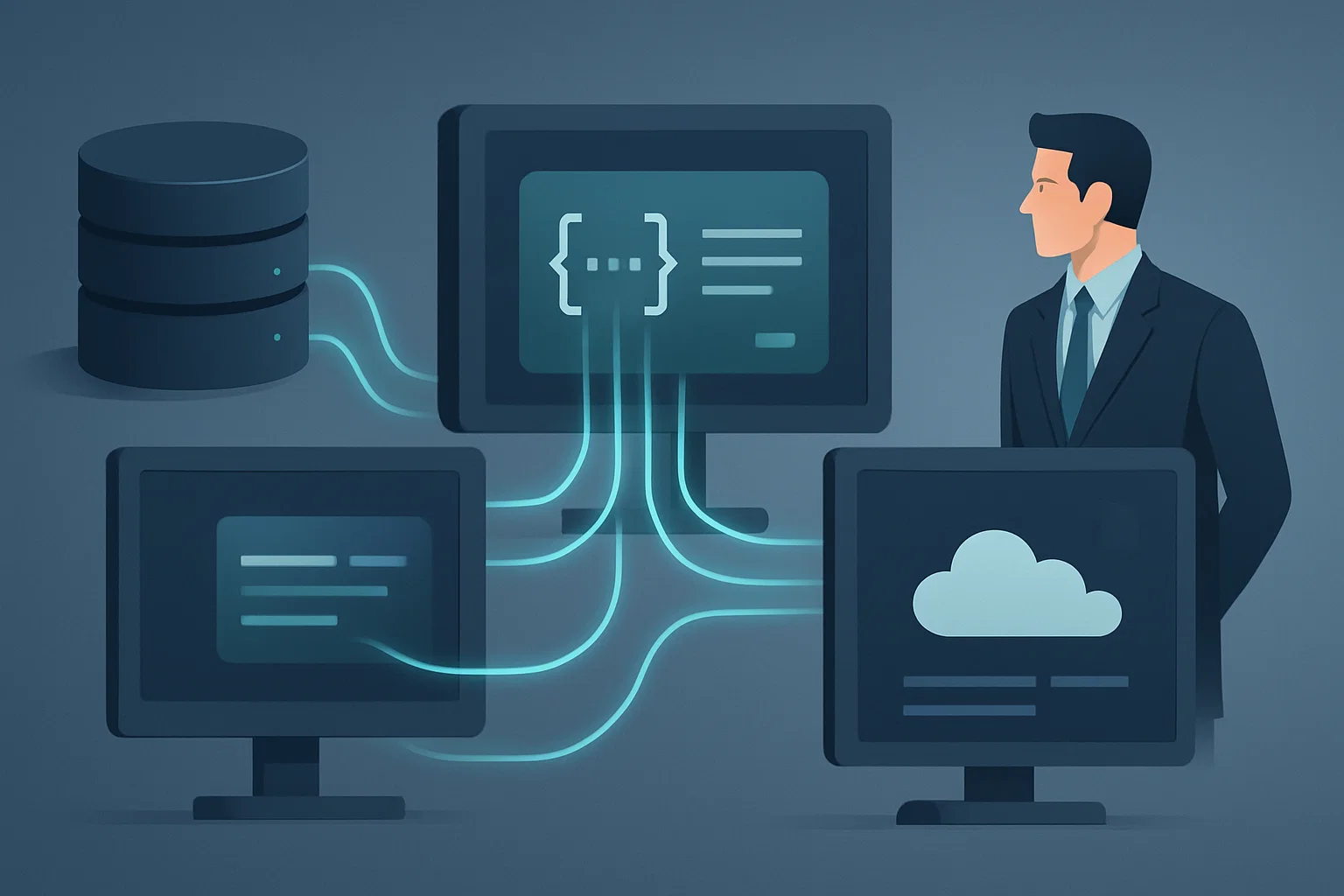
The most reliable way to prevent data silos is to strengthen IT system integration so information moves seamlessly across the entire environment. When systems talk to each other, business operations become faster, cleaner, and more predictable.
This article explores practical integration strategies that improve information flow, reduce gaps between applications, and support stronger enterprise data management.
Why Data Silos Form in the First Place
Data silos rarely happen overnight. They usually emerge from:
1. Rapid adoption of new applications
Teams add tools to solve immediate problems, but without a long-term integration plan. Over time, data becomes scattered.
2. Legacy systems with limited connectivity
Older applications often lack APIs or modern connectors, forcing teams to export and import data manually.
3. Department-specific platforms
When systems are purchased independently, each team builds its own “version of truth,” creating inconsistent data sets.
4. Lack of standardized data models
Without shared data formats, every system stores information differently, making cross-platform alignment difficult.
5. Manual processes
Spreadsheets, isolated databases, and offline files become stand-alone data repositories.
The Risks of Poor Integration
When systems operate in isolation, the impact goes deeper than simple inconvenience:
- Inaccurate reporting: Mismatched data leads to unreliable insights.
- Reduced productivity: Teams spend time reconciling or sharing data manually.
- Higher operational risk: Errors, duplicated entries, and missed updates become common.
- Compliance challenges: Inconsistent data trails impact audits, security, and governance.
- Inflexible workflows: Without automated connections, scaling requires more effort and resources.
A strong IT system integration strategy eliminates these risks while enabling a more connected digital environment.
How Better IT Integration Prevents Data Silos
1. Implement a Unified Integration Layer
Using an integration layer—middleware, iPaaS platforms, or API gateways—creates a central path for applications to exchange data.
This ensures:
- Real-time updates
- Reduced manual transfers
- Consistent data formatting
- Easier onboarding of new applications
It acts as the “bridge” between platforms, enabling cross-platform IT solutions without heavy custom development.
2. Standardize Your Data Models
Standard data formats ensure every application uses the same definitions for fields like customer information, product codes, or financial entries.
This improves:
- Accuracy of shared data
- Consistency in reporting
- Interoperability between systems
Standardization is often the foundation of successful enterprise data management.
3. Modernize Legacy Systems
Older systems can be integrated through:
- API wrappers
- ETL connectors
- Scheduled synchronization
- Data virtualization
Even partial modernization significantly reduces the isolation of legacy platforms.
4. Establish Automated Data Workflows
Automation helps improve information flow by ensuring data moves continuously between systems.
For example:
- Syncing customer records between CRM and ERP
- Automatically pushing operational data into analytics tools
- Updating resource information across planning platforms
Automation also reduces human dependency and lowers error rates.
5. Build a Single Source of Truth
Creating a centralized data store—such as a warehouse, lakehouse, or master data management (MDM) system—ensures all systems pull from one verified source.
This leads to:
- Clear audit trails
- Faster reporting
- Unified business insights
- Stronger decision support
A single source of truth acts as a backbone for long-term integration.

6. Strengthen Governance and Access Controls
Governance ensures data is not only connected but also protected.
Essential practices include:
- Role-based access
- Audit logs
- Policy-based data sharing
- Quality checks at integration points
With governance in place, organizations can maintain visibility and compliance even as more systems connect.
A Practical Roadmap to Reduce Data Silos
Organizations often see the best results when following a structured approach:
- Audit existing systems – Identify disconnected applications and manual processes.
- Map your data flows – Understand how information moves and where it gets blocked.
- Define core data sets – Customer, finance, operations, assets—create clear standards.
- Select the right integration tools – iPaaS, APIs, ETL frameworks, or event-driven pipelines.
- Automate critical workflows – Start with high-value, high-frequency processes.
- Create governance around data usage – Policies, quality standards, validation rules.
- Review and scale – Expand integrations gradually to maintain stability.
The Long-Term Advantage
Reducing data silos through strategic IT system integration does more than make operations efficient. It unlocks the ability to:
- Use insights in real time
- Scale systems without friction
- Maintain accuracy across platforms
- Support modern digital initiatives
- Build a resilient and future-ready data environment
Organizations that prioritize integration ultimately gain a competitive edge by turning scattered information into a connected, high-value asset.
Recent Posts
- How to Eliminate Repetitive IT Issues With Better Documentation Practices
- Improving System Security With Structured Patch and Vulnerability Management
- Supporting Remote Teams Effectively With a Strong IT Foundation
- Closing Cybersecurity Gaps by Addressing Overlooked IT Basics
- Managing Software Licenses Efficiently to Minimize Cost and Compliance Issues
Recent Comments
- No comments to show