
-
Suresh Kalal
- February 23, 2026
- No categories assigned.
- No Comments
Modernizing Legacy Infrastructure Without Disrupting Operations
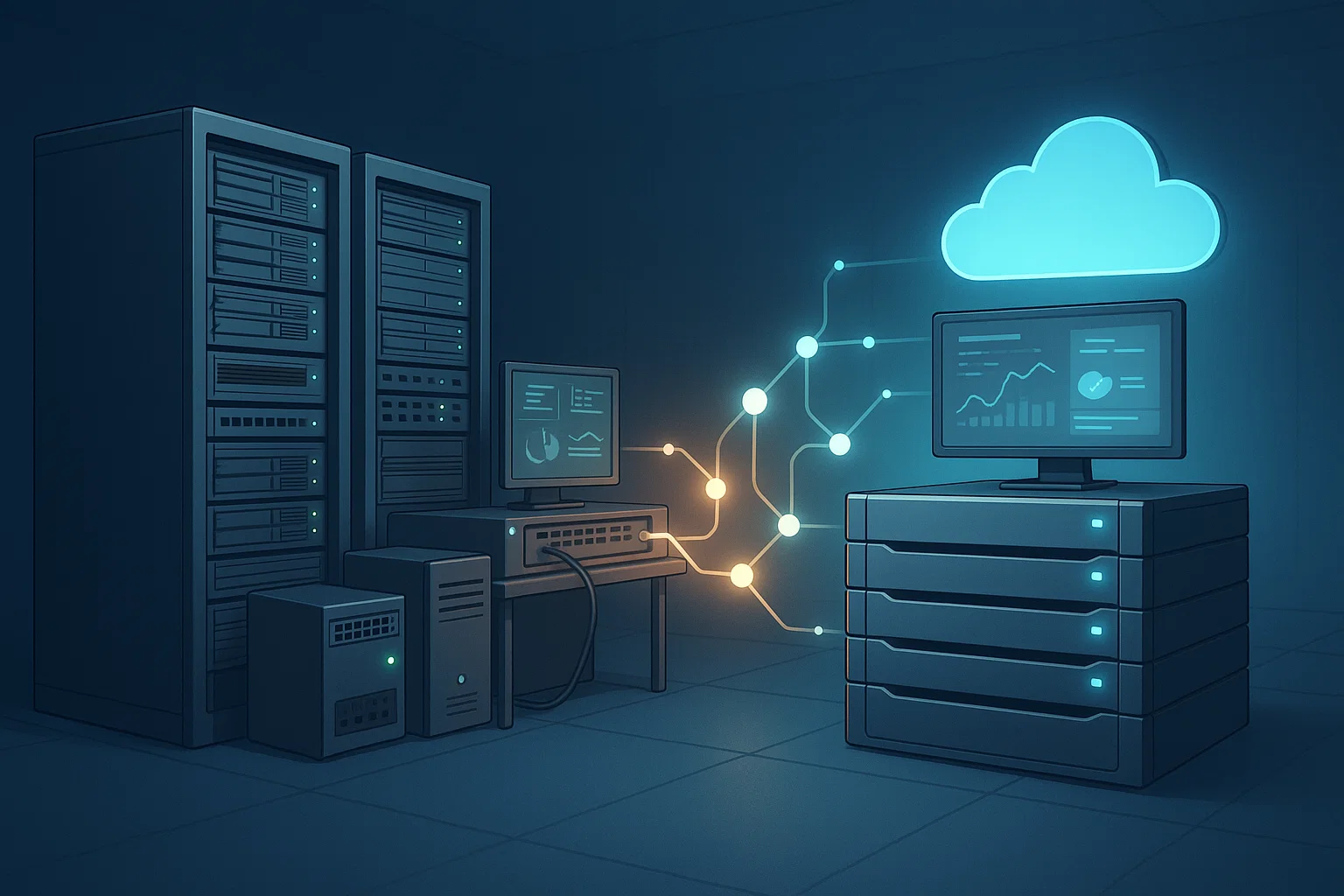
Aging systems simply cannot be enhanced continue to as a matter of choice.\” Legacy environments ultimately degrade performance, break integrations, increase the attack surface and exposes companies to unpredictable maintenance costs from carrying outdated tech. But the top concern in any effort to upgrade a legacy system is universal: how can technology be modernized without impeding work that is already underway.
An efficient IT infrastructure upgrade doesn’t have to mean downtime, doubt or loss of productivity. But with the proper approach, modernizing can become a disciplined, gradual process and not an all-or-nothing proposition—one that doesn’t jeopardize business operations, even as it opens up new efficiencies and opportunities.
Why Legacy Systems Become a Hidden Operational Risk
Older systems usually run critical workflows. Over time, they start creating challenges such as:
- Slower processing and unpredictable delays
- Difficulty integrating with modern tools
- Rising maintenance costs and vendor limitations
- Security vulnerabilities that are hard to patch
- Lack of support for automation, analytics, and cloud services
These issues accumulate quietly. By the time they’re noticeable, the organization is already dealing with avoidable inefficiencies.
Key Principles to Minimize Operational Disruption During Modernization
1. Start With a Clear Baseline Assessment
Before any change, map the current infrastructure. Understand:
- Dependencies between applications
- Data flows
- Peak usage periods
- Hardware/software lifecycles
This blueprint guides decisions and prevents blind spots that lead to downtime.
2. Choose the Right Modernization Approach
Not every system requires a full replacement. Using structured IT transformation strategies, organizations can choose from:
- Rehosting (Lift & Shift) – Moves workloads to a modern platform with minimal changes
- Replatforming – Enhances performance with moderate adjustments
- Refactoring – Redesigns the system for long-term scalability
- Replacing – Implements a new, modern IT system altogether
Picking the right path reduces cost, complexity, and risk.
3. Adopt a Phased Migration Plan
Large migrations fail when everything is done at once. Instead:
- Break the modernization into smaller deliverables
- Run new and old systems in parallel where possible
- Test each phase thoroughly before moving to the next
This keeps operations stable and avoids sudden changes that can confuse users.
4. Isolate Critical Workloads
Any system tied closely to daily operations should be handled with extra caution. Techniques like containerization, virtualization, and workload segmentation help IT teams update specific components without touching the entire ecosystem.
This approach makes modernization safer and reversible if needed.
5. Pilot First, Scale Later
Testing modern systems in a controlled environment helps detect:
- Performance inconsistencies
- Integration issues
- User experience gaps
- Data migration errors
A successful pilot builds confidence and minimizes operational interruptions when scaling up.

6. Strengthen Communication and User Training
Even the best technical execution can fail if users are unprepared. Effective teams:
- Share a clear modernization timeline
- Train users before system changes go live
- Provide simple, accessible documentation
- Offer quick support during the transition
Smooth adoption reduces errors and keeps productivity on track.
Benefits of Moving to Modern IT Systems
When modernization is planned properly, organizations see immediate and long-term advantages:
- Faster performance
- Greater reliability
- Reduced downtime
- Stronger cybersecurity posture
- Lower long-term operational costs
- Compatibility with cloud tools, automation, and analytics
- Ability to scale quickly
The real reward is a technology environment that supports growth instead of limiting it.
Conclusion
Modernizing legacy infrastructure doesn’t have to interrupt ongoing work. With careful assessment, the right modernization method, a phased plan, and proper user readiness, any organization can transition to modern IT systems while continuing operations smoothly. The goal is not just to upgrade technology—it’s to create a stable foundation that supports future innovation without putting current work at risk.
Recent Posts
- Closing Cybersecurity Gaps by Addressing Overlooked IT Basics
- Managing Software Licenses Efficiently to Minimize Cost and Compliance Issues
- How to Prevent Internal Data Breaches Through Smarter Access Governance
- Stabilizing Application Performance With Proactive IT Maintenance
- How to Shrink IT Ticket Backlogs Through Better Workflow Planning
Recent Comments
- No comments to show